The Highest Motorable Road in the World: Riding Pangong, Hanle and Eastern Ladakh
The highest motorable road in the world is Mig La, 19,400 ft, ridden from Hanle. What Eastern Ladakh is like on a motorcycle: Pangong, sand, the darkest sky in India.
This motorcycle touring blog is field notes, not content marketing — routes, permits, altitude and near-misses from the roads we actually run: Ladakh, the Sach Pass, Rajasthan and Ha Giang. It is written for anyone planning a Ladakh bike trip, a Himalayan motorcycle tour or the Ha Giang Loop. The moving-picture version lives on YouTube.
Expect route reports with the detail that matters — where the fuel actually is on the Manali–Leh highway, which permits you need for Ladakh in 2026 and how long they really take, what the Sach Pass does to a fully loaded Enfield. Gear notes come from things that broke, not things we were sent. Altitude advice comes from riders who have been properly sick at 15,000 feet and learned from it.
New logs land between tours. The riding seasons set the calendar — Ladakh July–September, Vietnam November–December.
![]()
The highest motorable road in the world is Mig La, 19,400 ft, ridden from Hanle. What Eastern Ladakh is like on a motorcycle: Pangong, sand, the darkest sky in India.
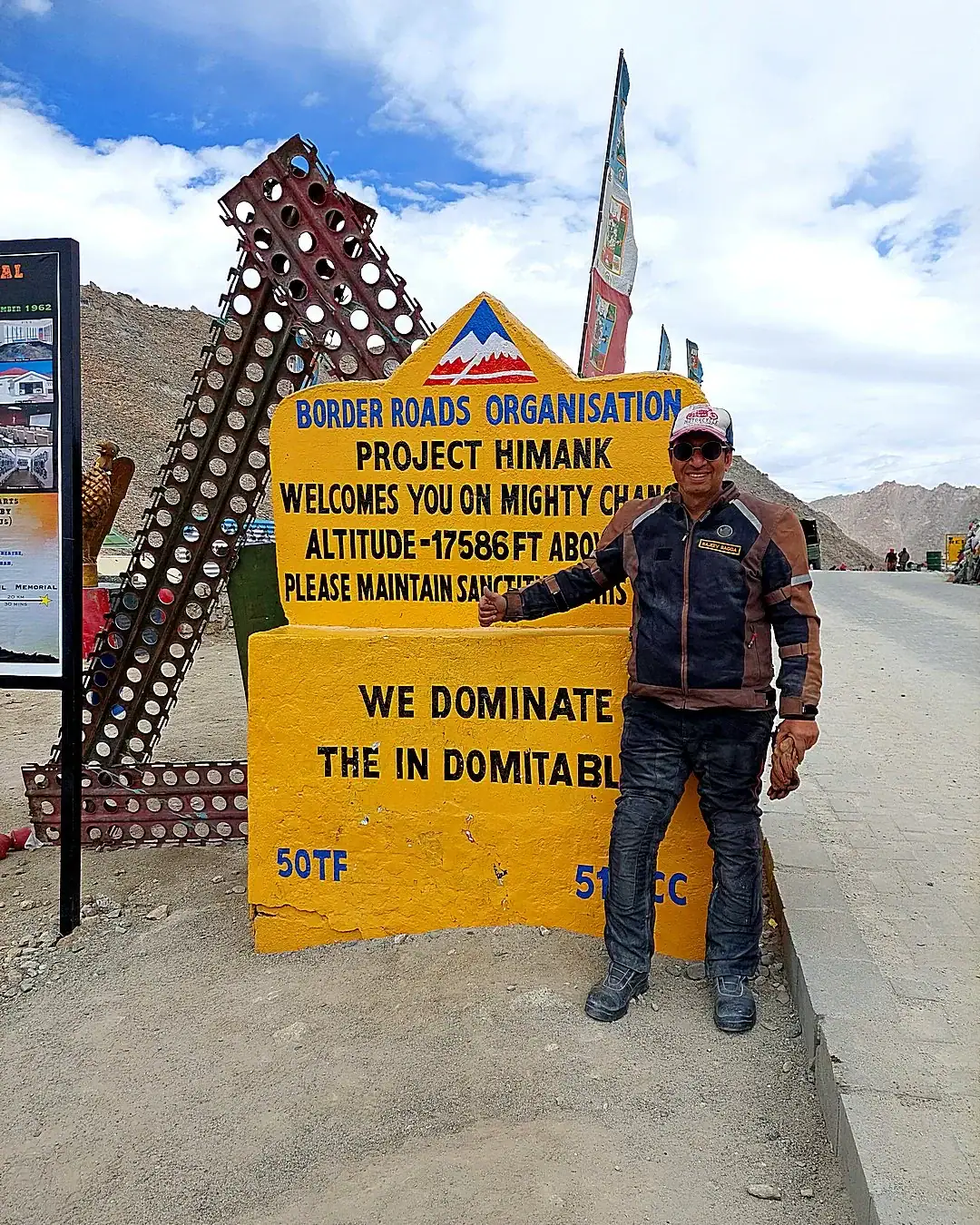
Ladakh motorcycle preparation: what thin air does to power, brakes, batteries and fuel range at 17,000 ft, and the morning check our riders do.
Altitude sickness in Ladakh: the 48-hour rule, what AMS feels like on a motorcycle, the warning signs, and the schedule our riders follow before Khardung La.
Manali Leh vs Srinagar Leh: two roads, almost the same distance, and almost nothing else in common. Here is how they compare on altitude, fuel, surface and season.
There is no best month to ride Ladakh. There are only different problems, and you get to choose which ones you’d like to meet.
Ladakh permits in 2026: Indian riders no longer need an Inner Line Permit — one online Environment Fee covers Nubra, Pangong, Hanle and Umling La. Foreigners need a PAP.
Central India’s forests are home to tigers, leopards, sloth bears, and the last significant populations of Indian wildlife outside the Himalayas. They’re also home to Maoist insurgents known as Naxalites, ongoing conflicts between tribal communities and the Indian state, and a security situation that makes wildlife watching secondary to not getting caught in an ambush. This is not information that
Kanha National Park in Madhya Pradesh is one of India’s premier tiger reserves, which means it’s a place where tourists pay significant money for the privilege of maybe seeing a tiger, probably not seeing a tiger, and definitely seeing a lot of trees while someone insists the tiger was “just here a moment ago.” The economics of tiger tourism are
The coastal route from Goa to Gokarna is only about 150 kilometers, but it crosses a cultural border more significant than the state line between Goa and Karnataka. On one side: Goa, the hippie trail destination that became a rave destination that became a Russian tourist destination that’s now trying to remember what it was supposed to be. On the
Kerala calls itself “God’s Own Country,” which is either supreme confidence or extreme irony depending on whether you’re looking at the landscape or the traffic. The state’s tourism board has successfully marketed this slogan to international travelers who arrive expecting divine intervention and instead discover they’ll need it just to cross the street. The landscape genuinely is beautiful – backwaters
Hoi An is a UNESCO World Heritage town on Vietnam’s central coast, famous for its preserved ancient architecture, riverside lanterns, and an absolutely improbable concentration of tailor shops. There are approximately 400 tailors in a town of 120,000 people. This is one tailor for every 300 residents, which suggests either that Hoi An’s population is extraordinarily well-dressed or that something
Crossing a street in Hanoi requires abandoning everything you’ve learned about traffic safety and embracing a philosophy that resembles faith, game theory, and collective hallucination. There are no crosswalks that matter, no pedestrian signals that anyone obeys, and no moment when traffic actually stops. Instead, you step into the flow and trust that dozens of motorcycles will somehow avoid hitting